As youth sports organizations across the country face a shortage of qualified officials, an initiative on Hawaiʻi Island offers a practical, sustainable solution. LOI Collective’s Junior Officials Program addresses a critical need in volleyball while creating meaningful opportunities for young people to lead, learn, and stay connected to the game.
Re-established in 2022 under the leadership of Jennie Maikui, the program began with three junior officials and a clear objective: intentionally mentor and develop youth into confident, capable referees. “We wanted to create a pathway for young people to learn the game from a different perspective,” Maikui said. “Not just as players, but as leaders who understand the responsibility and professionalism that officiating requires.” Today, that vision is evident, with 22 active participants in four years.
Growth is driven by structure and community support. Compensation validates the time and commitment of junior officials while reinforcing accountability. Visibility also plays a key role. “When younger athletes see someone their age on the stand, it makes officiating feel accessible,” said Hunter Haliniak, CEO of LOI Collective. “It shifts the mindset from ‘that’s something adults do’ to ‘that’s something I can do too.’” Combined with match experience at club tournaments and junior varsity contests, and a tiered pay system that rewards development, the program continues to gain traction.
Challenges remain. Parents may question whether their children can handle pressure or criticism, and new officials face a steep learning curve. Scheduling adds complexity. LOI Collective addresses these factors through mentorship. “It’s not just about teaching the rules,” Hunter said. “It’s about building confidence and creating an environment where young officials feel supported as they grow.”
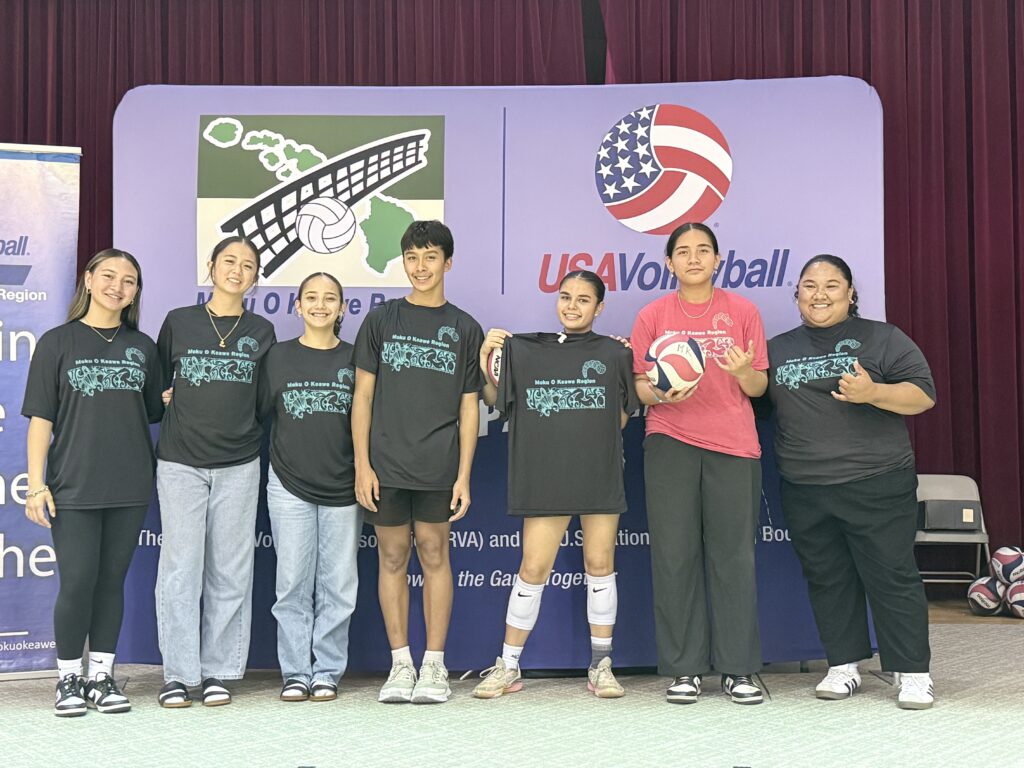
Training is designed to connect instruction with application. Biannual workshops cover rules, positioning, and expectations, establishing a strong foundation. Junior officials then step directly into live match settings, officiating younger age divisions and junior varsity matches. This approach accelerates development and builds confidence.
The results are clear. Officials who began with limited experience now lead high school-level matches, with some planning to continue officiating after graduation. The program is not only addressing a shortage, but also developing leadership, resilience, and a deeper understanding of the game.
Future growth depends on expanded access and resources. Travel opportunities, including competition on Oʻahu and beyond, would expose officials to higher levels of play. Transportation remains a barrier in rural areas. Investment in training materials and officiating equipment will be critical to sustaining quality and reach.
How Clubs Can Start a Junior Officials Program
- Start small and intentional: Focus on a few committed individuals and build deliberately.
- Provide mentorship early: Pair new officials with experienced mentors.
- Create real opportunities: Offer meaningful match experience as early as possible.
- Compensate and recognize: Even modest pay reinforces professionalism and commitment.
- Build visibility: Position officiating as part of the athlete pathway.
- Foster a supportive culture: Set clear expectations with parents, Coaches, and players to ensure junior officials are respected.
At its core, the Junior Officials Program supports the long-term health of the sport. “If we want the game to grow, we have to invest in every part of it—not just players, but the people who make the game possible,” Hunter said. By developing the next generation of officials, LOI Collective is strengthening the future of volleyball.
JVA recognizes and rewards Officials through the Officials’ Reward Program. Learn more here.
If you are interested in officiating volleyball, contact JVA Head Official Joseph O’Neal at officials@jvavolleyball.org
View more volleyball officiating resources.
View more volleyball coaching education.